Chimney Warning Signs Oxford Homeowners Shouldn’t Ignore When Hiring a Sweep
If you live in Oxford, Connecticut, and are looking for a chimney sweep in Brookfield or the surrounding area, knowing when your chimney needs attention is an important first step. Creosote buildup, moisture damage, blocked flues, and deteriorating masonry can create problems that are difficult to identify without a professional inspection. Understanding the warning signs can help you decide when to stop using your fireplace and how to choose a qualified chimney professional.
What Your Chimney May Be Telling You
Chimney problems do not always begin with dramatic cracks or visible smoke. Some develop gradually as combustible deposits accumulate, mortar deteriorates, or moisture damages masonry. Cold weather and repeated freeze-thaw cycles can contribute to deterioration when water enters brickwork and freezes.
A chimney can also develop problems while it is not being used. Animals may enter an uncapped flue, moisture can affect masonry and metal components, and existing damage may go unnoticed until the next heating season.
An annual inspection helps identify concerns before they become more serious. The National Fire Protection Association’s guidance, followed by the Chimney Safety Institute of America (CSIA), recommends inspecting chimneys, fireplaces, and vents at least once a year. Cleaning, maintenance, and repairs should be completed when necessary.
Warning Signs That Need Prompt Attention
Smoke Enters Your Home
Smoke entering the room during fireplace use can indicate a blocked flue, a drafting problem, insufficient replacement air, or an issue with the damper or venting system.
Do not assume that opening the damper will solve the problem. Stop using the fireplace if smoke repeatedly enters the living space and arrange a professional assessment before using it again. Make sure your home has working carbon monoxide alarms, but remember that an alarm does not replace proper inspection and maintenance.
A Strong Smoky or Tar-Like Odor Persists
A persistent smoky or tar-like smell around an unused fireplace may be associated with creosote deposits, moisture, or airflow problems. Odor alone cannot determine how much creosote is present or whether the chimney is unsafe.
Creosote is combustible, and significant deposits can increase the risk of a chimney fire. A professional can inspect the flue and determine whether cleaning is needed.
Creosote deposits vary in appearance and difficulty of removal. Some are loose and flaky, while others are hard or glazed. These descriptions are useful for understanding the problem, but they should not be treated as a formal three-stage classification or as a substitute for professional evaluation.
White Staining Appears on the Chimney
White powdery deposits on exterior brickwork may be efflorescence. This occurs when moisture moves through masonry, carries soluble salts to the surface, and leaves them behind as the water evaporates.
Efflorescence can indicate moisture movement, but it does not identify the exact source or prove that the chimney has structural damage. A professional should assess possible causes, including the chimney crown, flashing, masonry joints, and other areas where water may enter.
Addressing moisture early may help limit further deterioration.
Tile Fragments or Mortar Debris Appear in the Firebox
Pieces of clay tile, mortar, or other masonry debris inside the firebox can indicate deterioration within the chimney. A damaged flue liner may no longer provide the intended protection against heat and combustion gases.
If you discover unusual debris, stop using the fireplace until it has been evaluated. Do not assume that removing the visible pieces resolves the problem. A professional inspection can determine whether the liner or other components need repair.
The Damper Is Stuck or Damaged
A damper that does not open properly can interfere with smoke removal. One that does not close properly may allow unwanted air to move through the fireplace when it is not in use.
Check the damper’s operation only when the fireplace is completely cool. If it is stuck, warped, or visibly damaged, arrange an inspection rather than forcing it into position. The appropriate repair depends on the damper’s design and condition.
Cold Air Enters Through the Fireplace
A cold draft from an unused fireplace can result from several causes, including air pressure differences, inadequate sealing, or a damper that does not close properly. It does not necessarily mean that the chimney structure has failed.
If the draft is persistent or accompanied by odors, moisture, or smoke problems, ask a professional to evaluate the fireplace and venting system. Never block a flue or ventilation opening with improvised materials.
Mortar Is Crumbling or Bricks Are Deteriorating
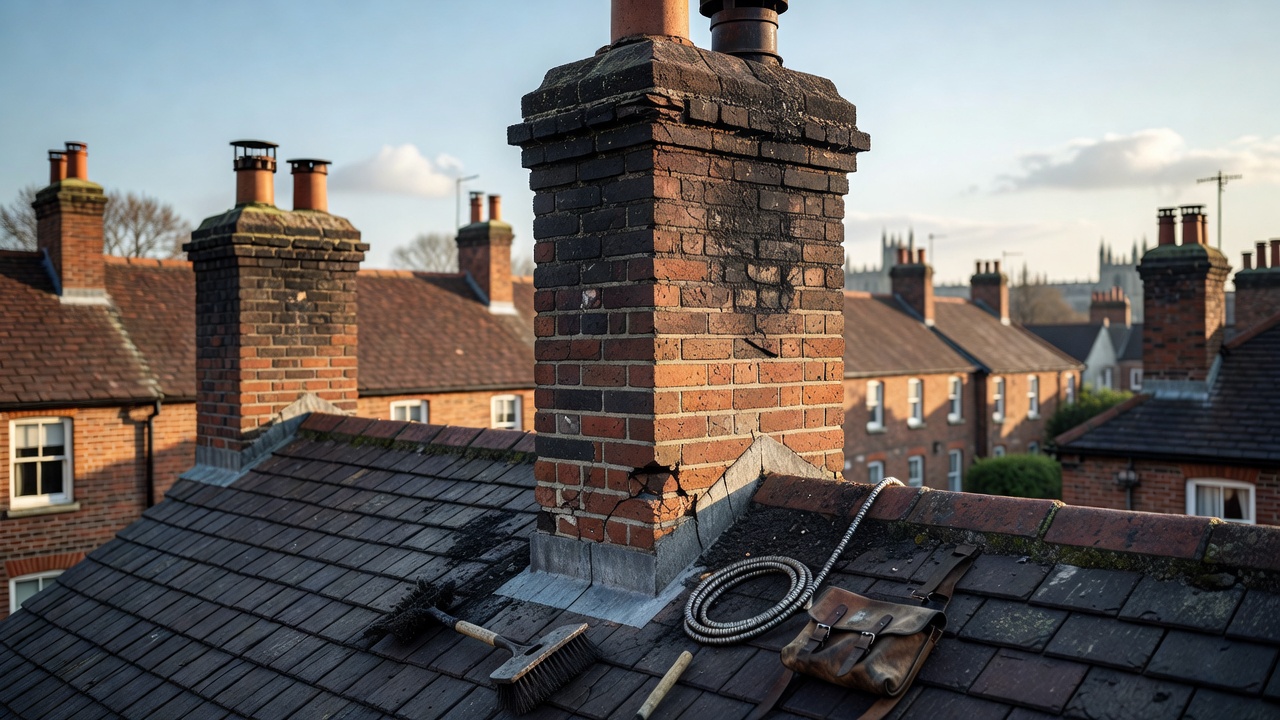
Missing mortar, loose bricks, cracks, or flaking masonry can indicate that the chimney needs repair. Water penetration and freeze-thaw cycles may contribute to these problems over time.
Avoid climbing onto the roof to inspect damage yourself. A qualified contractor can assess the masonry and determine whether localized mortar repairs, crown work, flashing repairs, or more extensive work is necessary.
Early attention may prevent a small defect from developing into a larger repair, although the appropriate solution depends on the condition of the chimney.
You Have Not Had a Recent Inspection
If you use a wood-burning fireplace or stove and cannot remember your last chimney inspection, schedule one before regular use resumes. Even a chimney that appears clean from the fireplace opening may contain hidden deposits, obstructions, or damage.
Annual inspection does not mean every chimney automatically needs a full cleaning each year. Cleaning depends on the amount and type of deposits, fuel, frequency of use, and the system’s condition.
Warning Signs You Should Not Ignore for Another Season
Some issues may not require an emergency response, but they still deserve attention. These include recurring musty odors, minor cracks, small areas of exterior staining, or gradual changes in fireplace performance.
Do not assume a crack is harmless simply because it looks small. Its significance depends on where it appears, what material is affected, and whether it is changing. Document the issue if possible and discuss it during a professional inspection.
If you suspect a chimney fire, evacuate the home and call 911. Do not use the fireplace again until a qualified professional has evaluated the chimney for damage.
How to Choose a Chimney Sweep in Oxford or Brookfield, CT
Finding a contractor involves more than comparing prices. Look for a professional who can explain the inspection process, document findings, and provide a clear estimate before repairs begin.
Verify Credentials and Registration
Consider a technician who holds a current CSIA Certified Chimney Sweep credential. You can use the CSIA website to learn about certification and locate qualified professionals.
Connecticut also requires registration for covered home improvement work, subject to statutory exceptions. You can check applicable contractor registration through the state’s Department of Consumer Protection. Verify the requirements for the specific work being proposed, particularly if repairs or masonry work are involved.
Ask the contractor whether they carry appropriate liability insurance and workers’ compensation coverage for the work and personnel involved.
Ask Which Inspection Level You Need
Chimney inspections have different scopes.
A Level 1 inspection is generally appropriate when the chimney is accessible and its use has not changed. A Level 2 inspection is required in specified circumstances, including a property sale or transfer, changes to the appliance or fuel, or an event that may have damaged the chimney. Level 2 includes a more extensive evaluation and an interior video scan. A Level 3 inspection may be necessary when a suspected hazard cannot be assessed without accessing concealed areas.
Ask the contractor to explain the recommended inspection level and why it applies to your situation.
Request Written Findings and an Estimate
A professional should explain what was found, which issues require attention, and what work is being recommended. Photographs or video can help you understand the condition of an accessible area or flue.
Before approving repairs, request a written estimate that identifies the work, materials, price, and any limitations. Be cautious of high-pressure sales tactics, unexpected demands for immediate expensive repairs, or claims that cannot be supported by clear findings.
A low initial quote is not automatically a bad sign, and a high quote is not proof of quality. Compare the scope of work, qualifications, documentation, and terms before deciding.
Finding Chimney Service Near Oxford, CT
Oxford homeowners can look for chimney professionals who serve both Oxford and nearby communities such as Brookfield. Confirm the company’s service area, current credentials, insurance, and availability directly before booking.
Connecticut Chimney & Vent is listed at an Oxford, Connecticut, address and provides chimney-related services. You can contact the company to confirm whether it handles your specific needs and to ask about inspection, cleaning, or repair options. Its listing alone should not be taken as a guarantee of service quality or current credentials.
Regardless of which provider you choose, ask what the appointment includes and whether cleaning, inspection, and repairs are quoted separately.
Schedule an Inspection Before the Next Heating Season
If you notice persistent smoke, damaged masonry, debris in the firebox, or a strong unexplained chimney odor, do not wait for the next heating season to investigate. Arrange a professional assessment and avoid using the fireplace if a safety concern is suspected.
For homeowners in Oxford and Brookfield, CT, annual inspections and timely maintenance can help identify problems before they become more serious. Choose a qualified chimney professional who explains the findings, documents recommended work, and gives you a clear estimate before repairs begin.
Related from Chimney Experts: Chimney Sweep CT · What Botsford Homeowners Should Know Before Calling for a Chimney Insp · Getting a Chimney Inspection in Easton