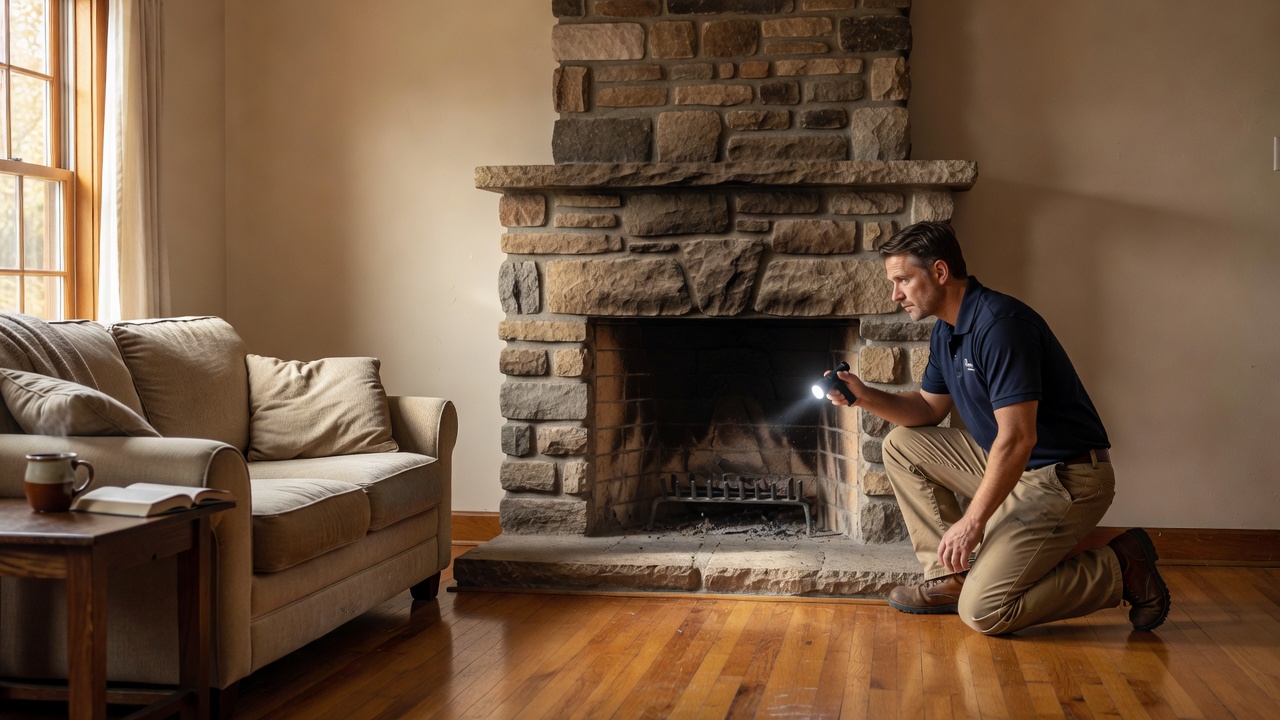
What Botsford Homeowners Should Know Before Calling for a Chimney Inspection
Chimney problems are not always visible from the living room. A fireplace may develop creosote buildup, a damaged flue liner, leaking flashing, or a blocked chimney without obvious warning signs. Homeowners in Botsford, Hawleyville, and the wider Newtown, Connecticut, area can reduce uncertainty by arranging regular inspections and addressing problems before using a fireplace with a questionable maintenance history.
A professional inspection helps determine whether the chimney needs cleaning, maintenance, or repairs. Here are six common chimney problems, what homeowners can look for, and when to call a qualified professional.
Creosote Buildup Inside the Chimney
Creosote forms when combustion byproducts condense on the cooler interior surfaces of a chimney. Burning unseasoned wood, restricted air supply, and cooler flue temperatures can contribute to buildup. Because creosote is combustible, substantial deposits can increase the risk of a chimney fire.
Creosote can appear flaky, crusty, sticky, tar-like, or shiny and hardened. These appearances can indicate different cleaning challenges, but homeowners should not try to determine the exact condition of the flue by looking up the chimney with a flashlight.
A qualified chimney sweep can inspect the accessible system, evaluate deposits, and recommend an appropriate cleaning method. Ordinary brushing may remove some deposits, while hardened or glazed creosote may require specialized professional treatment. The appropriate method depends on the material and condition of the chimney.
What homeowners can do: Burn properly seasoned firewood and avoid restricting the air supply to a fire. Arrange an inspection at least annually, with cleaning when the deposits or chimney condition warrant it. If a chimney fire is suspected, stop using the fireplace and arrange a professional evaluation before lighting another fire.
A Missing or Damaged Chimney Cap
A chimney cap helps keep rain, animals, leaves, and other debris out of the flue. When a cap is missing, damaged, or incorrectly fitted, moisture intrusion and blockages may become more likely.
Homeowners may notice animal sounds, debris in the fireplace, water staining, or a visible problem with the cap. However, not every obstruction or leak is caused by the cap alone. The crown, flashing, masonry, and flue may also need attention.
Replacing a cap requires the correct type and dimensions. Factory-built chimney systems may have specific listed components, so an incompatible cap can create problems or affect the system’s listing.
What homeowners can do: Check for obvious signs of damage from the ground, using binoculars if necessary. Avoid climbing onto the roof to inspect or replace a cap without appropriate training and safety equipment. Have a qualified professional confirm the correct cap and check for damage that needs repair before installation.
Spalling Brick and Deteriorating Mortar Joints
Masonry chimneys can deteriorate when moisture enters cracks or porous materials. In Connecticut, repeated freezing and thawing can worsen existing damage. Brick surfaces may begin to flake, mortar joints may crumble, and water may penetrate farther into the chimney structure.
Small areas of deterioration can sometimes appear to be cosmetic, but the underlying cause matters. Using an unsuitable mortar or applying a water-repellent product to a damaged surface may make the problem worse or fail to address the source of moisture.
More extensive deterioration can affect the chimney’s stability and may require masonry repairs or partial rebuilding.
What homeowners can do: Look for loose bricks, crumbling mortar, cracks, or recurring damp patches from a safe location. Have a qualified contractor evaluate the masonry before choosing a repair method. Chimney repairs should be performed by a properly registered Connecticut home improvement contractor when registration is required.
Leaking Chimney Flashing
Flashing seals the area where a chimney passes through the roof. If the flashing lifts, cracks, or separates, rainwater can enter and damage ceilings, walls, insulation, or masonry.
A brown stain near a fireplace or chimney breast may indicate a leak, but it does not identify the exact source. Water may enter through the flashing, chimney crown, masonry, or another part of the roof.
Applying caulk to a visible gap may not provide a lasting repair if the flashing system itself is damaged or incorrectly installed. A proper repair needs to address the actual water-entry point and account for the roof and chimney materials.
What homeowners can do: Watch for ceiling stains, damp masonry, peeling paint, or recurring leaks after rain. Avoid walking on the roof to investigate. A qualified roofing or chimney professional can assess the flashing and determine whether the repair involves resealing, replacement, or additional masonry work.
Damaged Flue Liners in Older Fireplaces
The flue liner helps contain combustion products and protects the surrounding chimney structure from heat and corrosive byproducts. Depending on the chimney, the liner may be made from clay tile, metal, or another suitable material.
Cracked or missing liner sections, displaced tiles, and evidence of heat damage can compromise the system. Damage may be difficult to see from the firebox, particularly when the chimney is tall or has bends and concealed areas.
A damaged liner should not automatically be replaced with one specific material. The appropriate repair depends on the chimney’s construction, the appliance it serves, the extent of damage, and applicable requirements. Options may include repairing eligible damage or installing a suitable replacement liner.
What homeowners can do: Stop using the fireplace if you find pieces of liner material in the firebox or suspect chimney-fire damage. Arrange a professional assessment before using it again. Do not attempt to seal liner cracks with household products or an unapproved sealant.
A Level 2 inspection may be appropriate after a property transfer, a change in appliance or fuel, or an event that may have damaged the chimney. It includes a more detailed examination of accessible areas and video scanning of the flue when feasible.
Draft Problems and Smoke Entering the Room
A properly functioning fireplace should vent smoke through the chimney. If smoke repeatedly enters the living space, the cause could be a blocked flue, a closed or malfunctioning damper, inadequate combustion air, negative indoor air pressure, or a chimney design issue.
Creosote buildup can contribute to restricted airflow, but poor draft does not necessarily mean the chimney needs cleaning. A professional may need to evaluate the flue, damper, air supply, and other conditions before identifying the cause.
Do not continue using a fireplace that repeatedly sends smoke into the room. Smoke can contain harmful combustion products, including carbon monoxide.
What homeowners can do: Stop using the fireplace until the cause has been assessed. If there is heavy smoke, an active fire emergency, or a carbon monoxide alarm, get everyone outside and call 911. Do not attempt to diagnose the problem by climbing onto the roof or performing improvised tests near the fire.
What Happens During a Chimney Inspection?
The inspection level depends on the chimney’s condition and how the system is being used.
A Level 1 inspection is generally appropriate when the chimney remains in its current use and there are no known conditions requiring a more detailed examination. The professional checks accessible portions of the system for obstructions, combustible deposits, and visible damage.
A Level 2 inspection is appropriate in certain circumstances, including a property sale or transfer, changes to an appliance or fuel, or an operating problem or external event that may have damaged the chimney. It includes the Level 1 scope plus a more detailed examination of accessible areas, with video scanning of the flue when feasible.
A Level 3 inspection may be needed when a suspected hazard cannot be evaluated adequately without accessing concealed portions of the chimney. This can involve more invasive examination.
The inspection is not a guarantee that every hidden defect will be found. Ask the technician to explain the inspection level, document relevant findings, and identify any recommended cleaning or repairs.
How to Choose a Chimney Inspection Company in Botsford
Before booking, ask the company a few practical questions:
What inspection level do you recommend? Ask why it is appropriate for your chimney and its history.
Are your technicians qualified? Ask about current CSIA certification and verify credentials through the organization’s official resources.
Will I receive a written report? Find out whether findings and recommended repairs will be documented.
Are repairs included in the estimate? Ask for cleaning, inspection, and repair costs to be itemized.
Are you registered to perform chimney repairs in Connecticut? Verify the contractor’s registration when the work falls under the state’s Home Improvement Law.
Connecticut’s Department of Consumer Protection distinguishes chimney sweeping from repairs such as cap installation, liner replacement, and mortar work. Homeowners should confirm the contractor’s registration and ask their local building official whether a permit is required for the proposed repair.
Schedule a Chimney Inspection in Botsford Before the Next Fire
Homeowners in Botsford, Hawleyville, and Newtown can benefit from having their chimneys inspected at least annually and cleaned or repaired as needed. Regular maintenance helps identify combustible deposits, blockages, water intrusion, and visible deterioration before the next heating season.
If your fireplace has not been inspected recently, you have noticed smoke entering the room, or you are unsure about the chimney’s maintenance history, contact a qualified chimney professional. Ask for a clear explanation of the inspection findings and a written estimate before authorizing additional work.
Chimney Experts is named in the original service information for this article. Before publication, confirm the company’s current service area, qualifications, and Connecticut registration for any repair work it offers. The original article also mentions Perth Amboy Chimney and New Rochelle Chimney as referral options; confirm that these businesses serve the relevant locations before retaining those recommendations.
Related from Chimney Experts: Chimney Sweep CT · Getting a Chimney Inspection in Easton