Published November 5, 2026
Chimney Repair in Sandy Hook, CT: What You Can Do Yourself and What You Shouldn’t Wait On
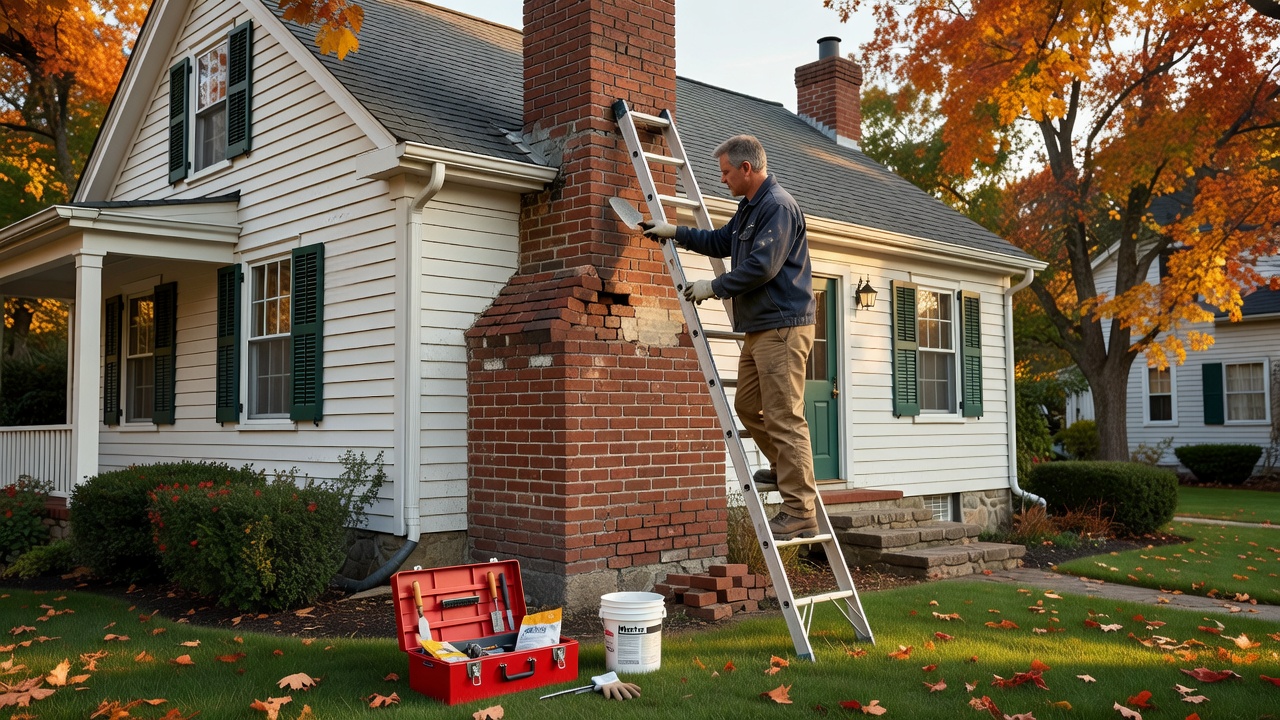
Chimney problems are easy to overlook until you notice smoke entering the living room, water stains near the fireplace, or loose mortar around the exterior brickwork. By that point, a small maintenance issue may have developed into a more involved repair.
For homeowners in Sandy Hook, CT, knowing which maintenance tasks are reasonable to handle yourself and which require professional attention can help prevent unnecessary damage. Some basic cleaning and visual checks are manageable, but repairs involving masonry, chimney liners, crowns, and venting systems require the right materials, equipment, and experience.
What a Homeowner Can Safely Handle
Not every chimney maintenance task requires a contractor. There are a few simple things homeowners can do without climbing onto the roof or disturbing the chimney’s structural components.
Cleaning the firebox interior.
Once the fireplace is completely cool, you can remove loose ash and debris from the firebox using appropriate cleaning tools. Avoid aggressive scrubbing that could damage firebrick or refractory mortar.
Firebox cleaning is not a substitute for professional chimney sweeping. Creosote and other deposits can accumulate farther up the flue, where they cannot be reached through the fireplace opening.
Checking for visible damage from the ground.
Walk around your property and look for obvious signs of chimney deterioration. These may include:
Missing or loose bricks.
Crumbling mortar joints.
Visible cracks in the chimney crown.
Rust or damage around the flashing.
A missing or visibly damaged chimney cap.
Water stains near the fireplace or chimney walls.
A ground-level visual check cannot establish whether the chimney is safe to use. It can, however, help you recognize when a professional inspection is needed.
Keeping the fireplace area clear.
Remove combustible materials, furniture, and household clutter from around the fireplace. Keep the hearth area clean and avoid storing firewood or other flammable items too close to the opening.
Watching for moisture problems.
Pay attention to white deposits on masonry, peeling paint, damp odors, or water stains around the chimney. These signs can indicate moisture intrusion, although the exact source may require professional investigation.
What About Replacing a Chimney Cap or Applying Waterproofing?
These projects may look simple, but they require more consideration than ordinary household maintenance.
A chimney cap helps limit rain entry and keeps animals and debris out of the flue. However, reaching the chimney usually involves roof-level work, which creates a significant fall risk. In Connecticut, chimney cap installation and repair are also covered by the state’s Home Improvement Law. Homeowners should use a properly registered contractor for this work.
Water-repellent products are available for compatible masonry surfaces. However, they must be applied according to the manufacturer’s instructions. The masonry may need to be cleaned, repaired, and allowed to dry before treatment. Applying a product over damaged mortar or deteriorated bricks will not correct the underlying problem.
For example, ChimneySaver’s water-based product instructions require suitable surface preparation, repair of damaged masonry, and specific temperature and weather conditions.
What Chimney Repairs Should Be Left to a Professional?
Some chimney repairs affect the structure, fire resistance, or ability of the system to contain and vent combustion gases. These should not be treated as ordinary DIY projects.
Tuckpointing and mortar joint repair.
Mortar joints hold masonry units together and help limit water penetration. When the mortar begins to crack, recede, or crumble, repointing may be necessary.
The challenge is choosing the correct replacement mortar. Its properties should be compatible with the existing brick and mortar. Using an unnecessarily strong or incompatible mix can contribute to cracking and brick deterioration.
The Brick Industry Association emphasizes selecting mortar based on the properties of the masonry and the requirements of the project. Stronger mortar is not automatically better.
Chimney crown repair and rebuilding.
The chimney crown is the protective top surface of the masonry chimney. Its condition matters because cracks and gaps can allow water to enter the structure.
Once moisture penetrates the masonry, repeated freezing and thawing can worsen existing damage. A professional can determine whether the crown needs localized repair or complete replacement and ensure that the finished surface is properly shaped to direct water away from the chimney.
Applying a surface patch without addressing the source of the damage may provide only temporary protection.
Chimney liner repair or replacement.
The chimney liner helps contain combustion products and protect surrounding masonry and building materials from heat. Clay tile liners can crack, separate, or deteriorate over time.
A damaged liner may compromise the chimney’s ability to safely contain and vent combustion gases. The condition of the liner should be evaluated by a qualified chimney professional.
Depending on the system and the extent of the damage, repair options may include replacing damaged sections, installing an appropriate stainless steel liner, or using a compatible resurfacing system. The correct solution depends on the chimney’s construction and the appliance connected to it.
Firebox rebuilding.
The firebox is exposed to repeated heating and cooling. Cracked firebrick, missing mortar, and deteriorated refractory materials should be evaluated before the fireplace is used again.
Repairs require materials specifically designed for high-temperature fireplace applications. Ordinary masonry mortar or standard replacement bricks are not suitable substitutes for every firebox repair.
Gas appliance and venting repairs.
Gas fireplaces and inserts have additional requirements involving appliance connections, venting, clearances, and manufacturer specifications.
Do not attempt to resize a liner, modify gas connections, or repair appliance venting yourself. Have the system evaluated by a professional qualified to work on the specific appliance and installation.
Why Waiting Until Winter Can Make Chimney Repairs More Difficult
Sandy Hook experiences seasonal temperature changes, including periods when temperatures drop below freezing. When water enters cracks in chimney masonry, freezing conditions can contribute to further deterioration.
A small opening in a crown or mortar joint may allow water to enter repeatedly. Over time, this can lead to more extensive damage to the surrounding masonry.
The timing of exterior repairs also matters. Mortar and other masonry materials need suitable conditions to cure properly. Cold temperatures, freezing surfaces, rain, and excessive moisture can interfere with the work.
For that reason, homeowners often plan exterior chimney maintenance before colder weather arrives. However, repairs should be scheduled based on the actual condition of the chimney and suitable weather conditions, not an assumed seasonal deadline.
An annual chimney inspection is also important. NFPA 211 guidance calls for chimneys, fireplaces, and vents to be inspected at least once a year for soundness, deposits, and proper clearances. Cleaning, maintenance, and repairs should be performed when necessary.
Understanding Level 1 and Level 2 Chimney Inspections
Not every chimney inspection requires the same level of evaluation.
Level 1 inspection: Generally appropriate for routine annual inspections when the chimney and connected appliance are used under the same conditions. It covers readily accessible portions of the system.
Level 2 inspection: A more detailed inspection that may be required after events such as a chimney fire, a change in appliance, or a change in the property’s use or ownership. It can include accessible areas such as attics and crawl spaces, along with an internal video scan of the flue.
A Level 2 inspection is not automatically necessary just because a homeowner regularly uses the fireplace. The circumstances and condition of the chimney determine the appropriate inspection level.
Connecticut Requirements for Chimney Repair Contractors
Homeowners should also understand that chimney cleaning and chimney repair are not treated identically under Connecticut law.
The Connecticut Department of Consumer Protection explains that chimney repair is considered home-improvement work. Covered projects include chimney cap installation or repair, liner replacement or repair, and mortar replacement.
Contractors performing covered chimney repairs must hold Connecticut home-improvement registration. The state also recommends checking with the local building official to determine whether a permit is required for the proposed work.
Before hiring a contractor, ask to see the current registration certificate and verify it through the Connecticut Department of Consumer Protection.
The Bottom Line for Sandy Hook Homeowners
There are a few simple chimney maintenance tasks homeowners can handle themselves, such as cleaning a cool firebox, keeping the fireplace area clear, and checking for visible exterior damage from the ground.
Structural repairs are different. Deteriorated mortar, cracked crowns, damaged liners, and firebox problems require an appropriate evaluation and repair method.
If you notice cracks in the masonry, water stains near the fireplace, loose bricks, or signs of liner damage, arrange a professional inspection rather than waiting for the problem to become more extensive.
For chimney repair in Sandy Hook, CT, contact Chimney Experts to discuss your concerns and ask about inspection and repair availability. Addressing a chimney problem early can help you understand the work required before the next heating season.
Serving your area: For related services in nearby communities, see Tappan Chimney Sweep and Perth Amboy Chimney.
Related from Chimney Experts: Chimney Sweep CT · Chimney Repair CT · Chimney Inspection CT